How to Care for Dry, Cracked Heels This Winter
Cracked heels aren't really about dry skin in general. They're about thick, dry skin in one specific spot taking on repeated pressure until it splits. That's why a lotion that works fine everywhere else on your body often does nothing for your heels.
Why Heels Crack in the First Place
The skin on your heel is already thicker than most of your body, and standing or walking puts weight on it all day. Add cold air and low humidity, both standard for a Canadian winter, and that thick skin dries out and loses flexibility. Once it's dry and inflexible, ordinary pressure from walking is enough to split it.
A Routine That Actually Fits the Problem
Apply a rich cream right after a shower or bath, while your skin is still slightly damp, so the moisture has something to seal in. For heels that are already cracked, put on a thicker layer before bed and pull on a pair of socks overnight. Most people notice softer skin within a week of doing this consistently, though how fast it improves depends on how cracked things were to start.
Why a Thin Lotion Usually Isn't Enough
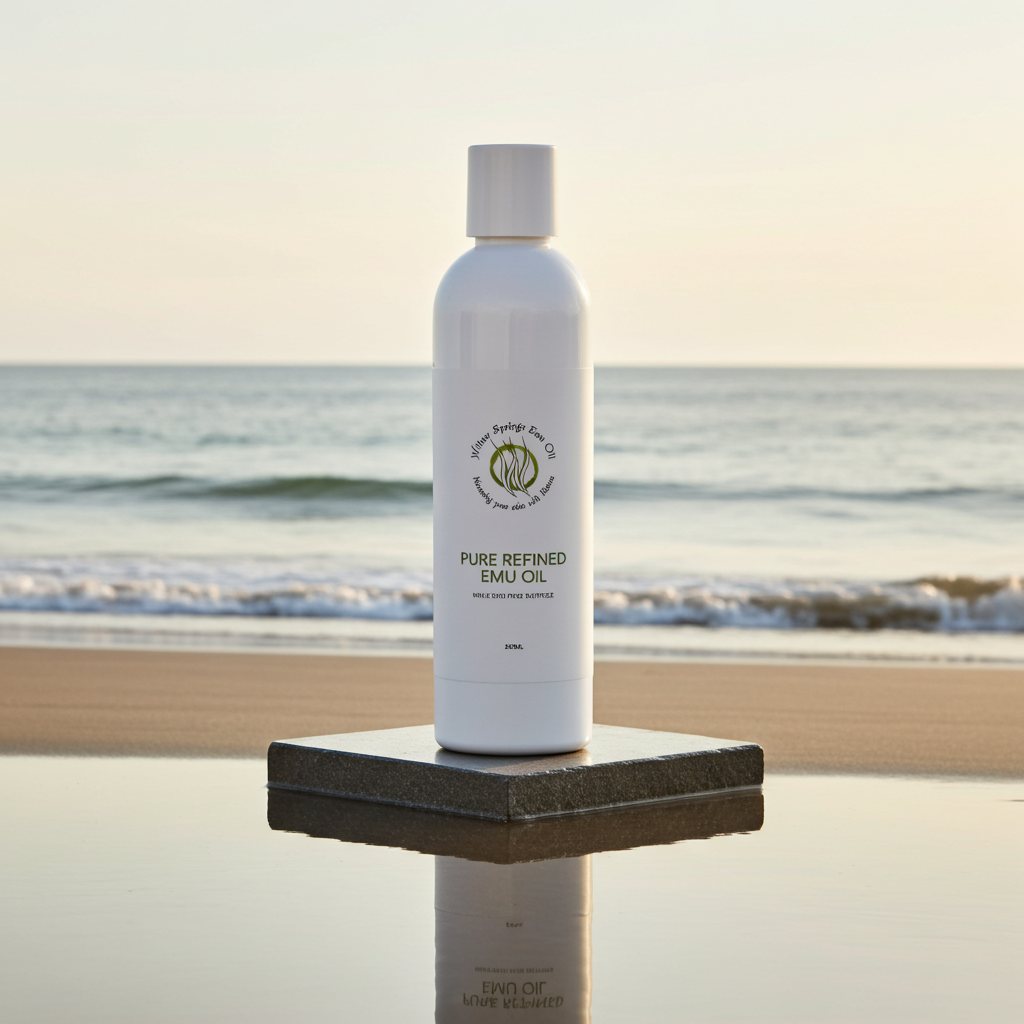
Watery lotions are mostly water, which evaporates fast and doesn't do much for skin this thick. An oil-based cream sits in the cracks and stays there longer, which matters more on heels than almost anywhere else on your body. That's the whole reason we built Sole Comfort around emu oil instead of a standard lotion base.
Beyond the Cream
Socks and shoes matter more than people expect. Going barefoot on hard floors all winter dries heels out faster, and shoes with no back support let your heel spread and crack more under weight. A pumice stone or foot file, used gently once a week, removes some of the built-up dry skin before it cracks, which gives the cream less thick skin to work through.
When It's More Than Dry Skin
Sole Comfort is a moisturizer, not a treatment for a medical condition. If you have diabetes, deep cracks that bleed, or any sign of infection around your heels, see a healthcare provider or podiatrist rather than treating it at home. For ordinary winter dryness, a consistent routine is usually all it takes.
FAQ
How Long Does It Take for Cracked Heels to Look and Feel Better?
It varies. Mild dryness often looks better within a week of daily moisturizing. Deep, established cracks can take longer and may need a pumice stone alongside the cream.
Do I Need a Special Foot Cream, or Will Regular Lotion Work?
Regular lotion can help a little, but it's mostly water and evaporates quickly. A richer, oil-based cream stays on the skin longer, which matters more on heels than most other areas.
Is It Normal for Heels to Crack Every Winter?
It's common, especially in dry climates and cold weather, but it's not something you have to just live with. A daily routine through the winter months usually keeps it from getting that bad.